

Semiconductor Power Demand to Surge by 2035: GESA Under SEMI Focuses on Energy Resilience and Supply-Demand Coordination
Semiconductor Power Demand to Surge by 2035: GESA Under SEMI Focuses on Energy Resilience and Supply-Demand Coordination
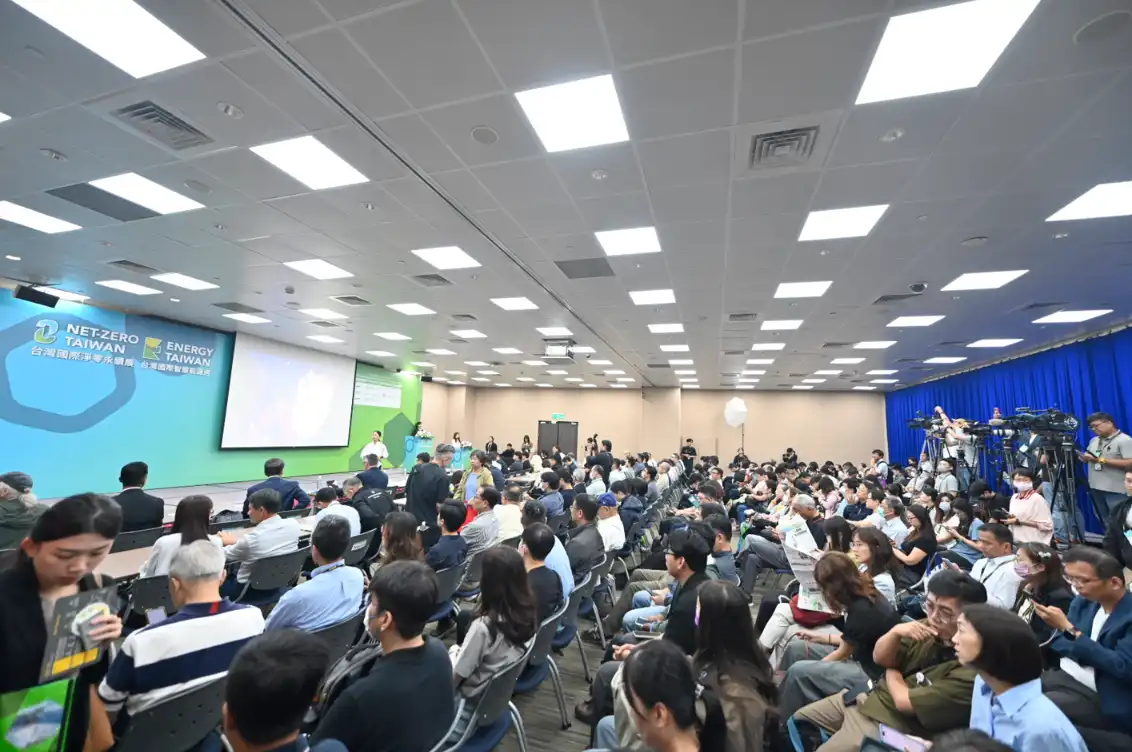
Green Energy and Sustainability Alliance (GESA) under SEMI hosted the "Power Next: Microgrid and Energy Management Innovation Forum" during the "2026 Energy Taiwan & Net-Zero Taiwan" exhibition.
Semiconductor Electricity Demand to More Than Double by 2035, with Power Supply Timelines Shaping Investment Decisions
The rapid growth of the AI and semiconductor industries is driving the global expansion of data centers and increasing electricity demand. TrendForce, a renowned Taiwan-based market research firm, estimates that global data center power demand will reach 161 GW in 2026, representing an annual increase of approximately 31%.
In response to these developments, the Green Energy and Sustainability Alliance (GESA), an industry alliance under Semiconductor Equipment and Materials International (SEMI), hosted the "Power Next: Microgrid Technology and Grid Resilience Innovation Forum" (Power Next 微電網與能源管理創新論壇) during "Net-Zero Taiwan & Energy Taiwan 2026." (2026 台灣國際淨零永續展與台灣國際智慧能源週)
The forum invited Taipower Chairman Wen-Sheng Tseng (曾文生) to outline the company's electricity development strategy for the next decade and discuss how power generation development and grid infrastructure investment can strengthen electricity supply resilience.
Tseng noted that the global energy landscape is being reshaped by the net-zero transition, the development of the AI and semiconductor industries, geopolitical factors, and inflation. As electricity demand rises for wafer fabrication, advanced packaging and testing, and high-performance servers, the timely availability of power has become a critical factor in corporate investment and site selection decisions. Whereas companies previously prioritized land availability and science park conditions, they now place greater emphasis on electricity supply schedules. Taipower estimates that electricity consumption by Taiwan's semiconductor industry in 2035 will be more than double the 2026 level.
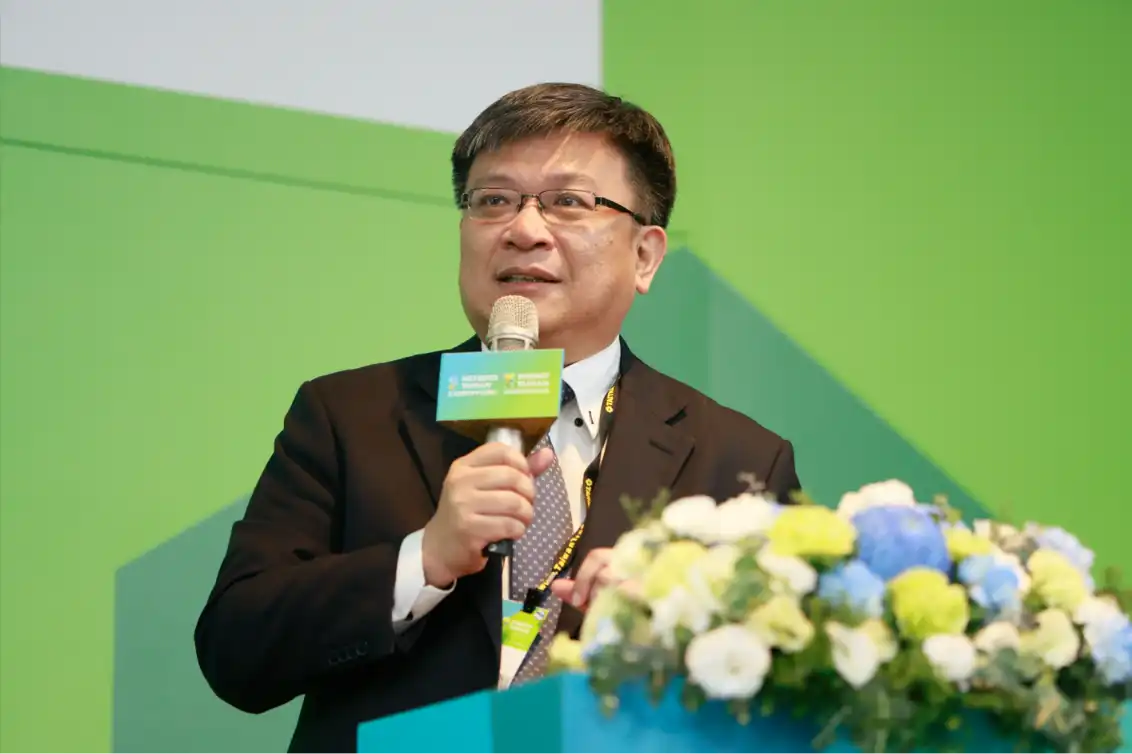
Wen-Sheng Tseng (曾文生) , Chairman of Taipower
Advancing Grid Infrastructure and Diversifying Power Sources to Strengthen Supply Resilience
Taking high-performance AI servers as an example, approximately 20 racks of GB200/NVL72 servers consume as much electricity as an entire Taipower office building, highlighting the growing demands that high-tech industries place on regional power supply capacity and grid resilience.
To meet industrial electricity demand, Taipower plans to add approximately 26 GW of natural gas-fired generation capacity between 2026 and 2035. It will also leverage its five existing emergency and standby generating units to enhance emergency power support and dispatch flexibility. Meanwhile, the company will continue advancing offshore wind development, strengthening the integration of solar photovoltaic generation with distribution systems, and incorporating energy storage and microgrids to improve regional power supply resilience. Collaboration with private-sector partners will also help unlock the po10tial of geothermal and small hydropower resources.
Tseng said AI-related electricity demand will gradually ex10d to businesses, households, and individual consumers, reshaping regional consumption patterns and peak loads. In addition to strengthening high-voltage grid infrastructure serving science parks, Taipower plans to construct or expand 43 substations over the next 15 years, add approximately 1,922 kilometers of transmission and distribution lines, and increase substation capacity by 52,450 MVA.
He urged major electricity consumers to consider power source locations and transmission infrastructure conditions at the early stages of investment planning, ensuring that industrial development and electricity infrastructure expansion are planned in tandem.
Strengthening Energy Supply-Demand Coordination to Support Long-Term Industrial Development
Terry Tsao (曹世綸), Global Chief Marketing Officer and President of Taiwan at SEMI, said energy resilience requires coordinated progress in power generation development, grid infrastructure construction, and intelligent energy management. It is also essential to facilitate early coordination between electricity suppliers and consumers.
GESA will continue leveraging policy advocacy, cross-sector exchanges, and technological collaboration to connect the semiconductor, high-tech, and energy industries. Through these efforts, the alliance aims to advance intelligent energy management and grid resilience, helping businesses maintain reliable electricity supplies while pursuing low-carbon transitions and strengthening the long-term competitiveness of Taiwan's supply chains.
【About Green Energy and Sustainability Alliance (GESA)】
The Green Energy and Sustainability Alliance (GESA) is an industry alliance under SEMI. Its scope encompasses comprehensive net-zero solutions, solar photovoltaics, wind power, energy storage and hydrogen ecosystems, energy management, and the circular economy.
GESA provides an integrated platform connecting companies seeking decarbonization solutions and green electricity procurement with energy suppliers. Serving as a cross-sector communication platform for industry, government, academia, and research institutions, the alliance facilitates policy advocacy and industry exchanges to help accelerate Taiwan's transition toward net-zero emissions and sustainable development.
Source: Semiconductor Equipment and Materials International (SEMI)
Compilation & Ttranslation: EnergyOMNI
