

Bringing Semiconductor Equipment Engineering Education to the World—Starting from Kaohsiung From Overlooked to Essential: How Equipment Engineers Become the Hidden Power Behind Global Semiconductor Competition
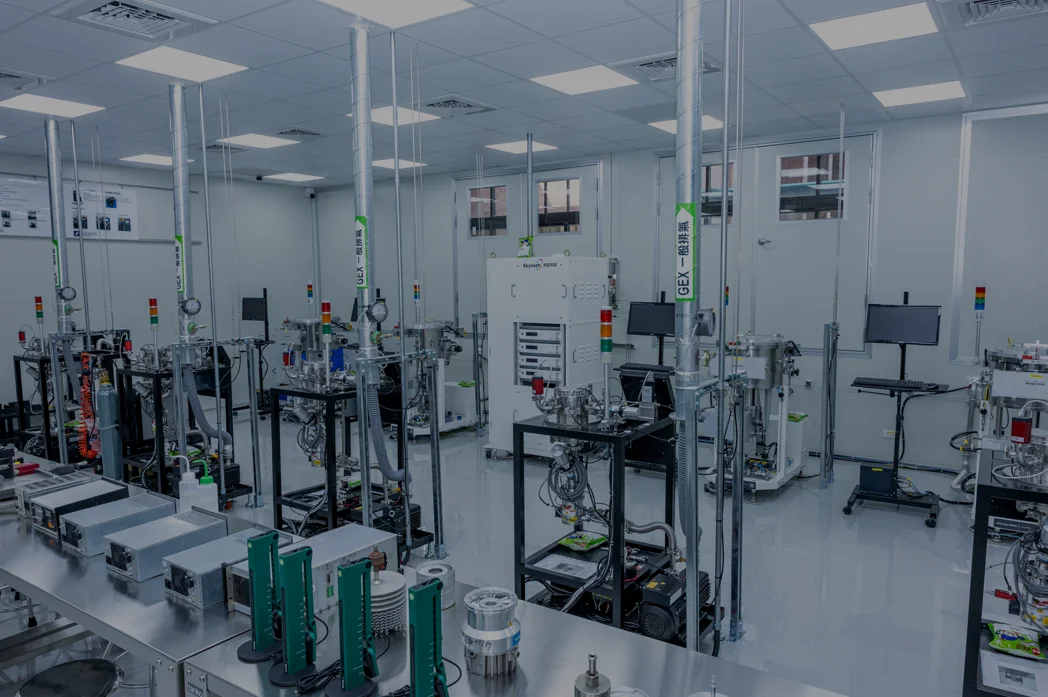
Bringing Semiconductor Equipment Engineering Education to the World—Starting from Kaohsiung From Overlooked to Essential: How Equipment Engineers Become the Hidden Power Behind Global Semiconductor Competition
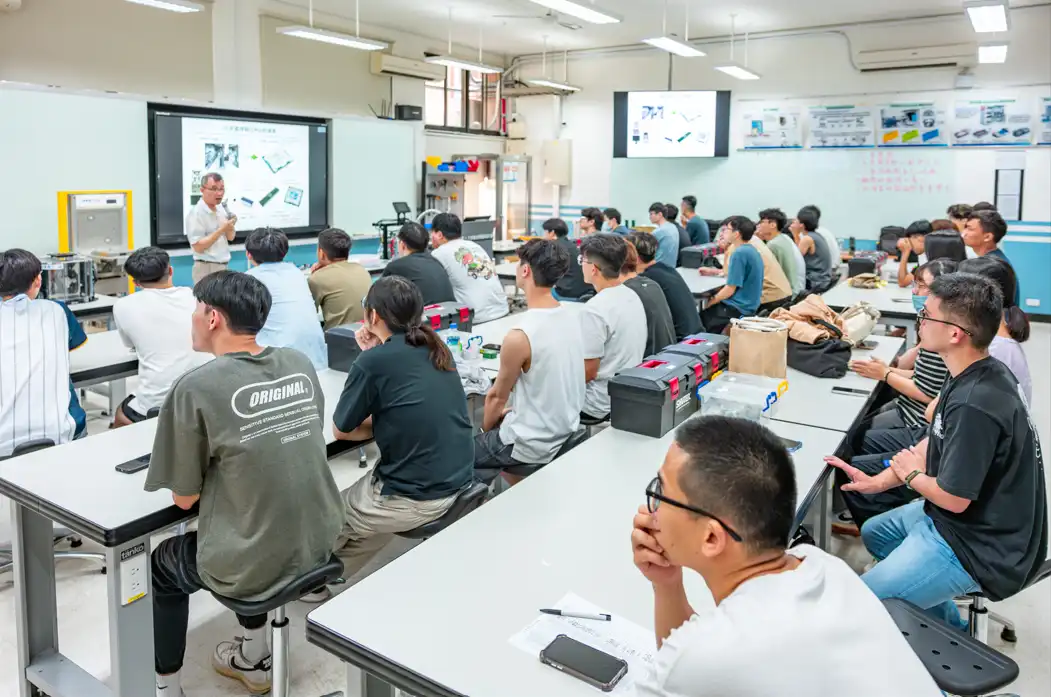 Targeting the semiconductor industry's most urgent workforce gap―process and equipment engineers―the NKUST Semiconductor Process and Equipment Talent Training Center, led by Professor Chi-Ta Yang and Assistant Professor Yu-Hung Chen, focuses on the fundamentals. Their mission is to train students to become equipment engineers who can 'step into the fab and solve real problems with their own hands.'
At the Department of Semiconductor Engineering at National Kaohsiung University of Science and Technology (NKUST), the two driving forces behind the Semiconductor Process Equipment Talent Cultivation Base—Professor James Yang, Director of Semiconductor Engineering, and Yu-Hung Chen, Associate Professor and Deputy Director—have spent years quietly building a program that does not rely on slogans or abstract visions. Instead, they began from the most fundamental step: training students to become process equipment engineers who can truly enter the production line and solve real problems with their own hands.
"A semiconductor process equipment engineer is neither a mechanic nor a supporting role. They are the key figures who sustain the yield and stability of the entire production line," Yang said.
From 'Mechanics' to a Core Technical Backbone: Taiwan's Overlooked Semiconductor Talent
The story began in 2023 with a single project proposal.
"At that time, each university could only submit one application per year. Our railway center had already secured approval in the first year, so the next year we wanted to challenge ourselves again," Yang recalled. The proposal was submitted at the end of 2022, passed the preliminary review the following March, and ultimately received final approval that December.
"For eight or nine months, we shuttled back and forth to Taipei, held countless video calls, consulted senior front-line semiconductor equipment engineers, and repeatedly revised the training framework to match industry needs item by item."
This marathon-style communication eventually helped the Ministry of Education understand that the NKUST team was not trying to replicate existing university semiconductor schools. They were addressing the most critical and overlooked gap in Taiwan's industrial chain—practically trained process equipment engineers within the technical-vocational system.


Expand your horizons with a paid view:
- Get an exclusive sneak peek at the latest chapter updates.
- Purchase your first magazine NOW!
Already a member? Click here to log in
More related articles
