

Cadeler's Long-Term Strategy in Asia Pacific — From Taiwan to Bridging Global Experience with Local Strength
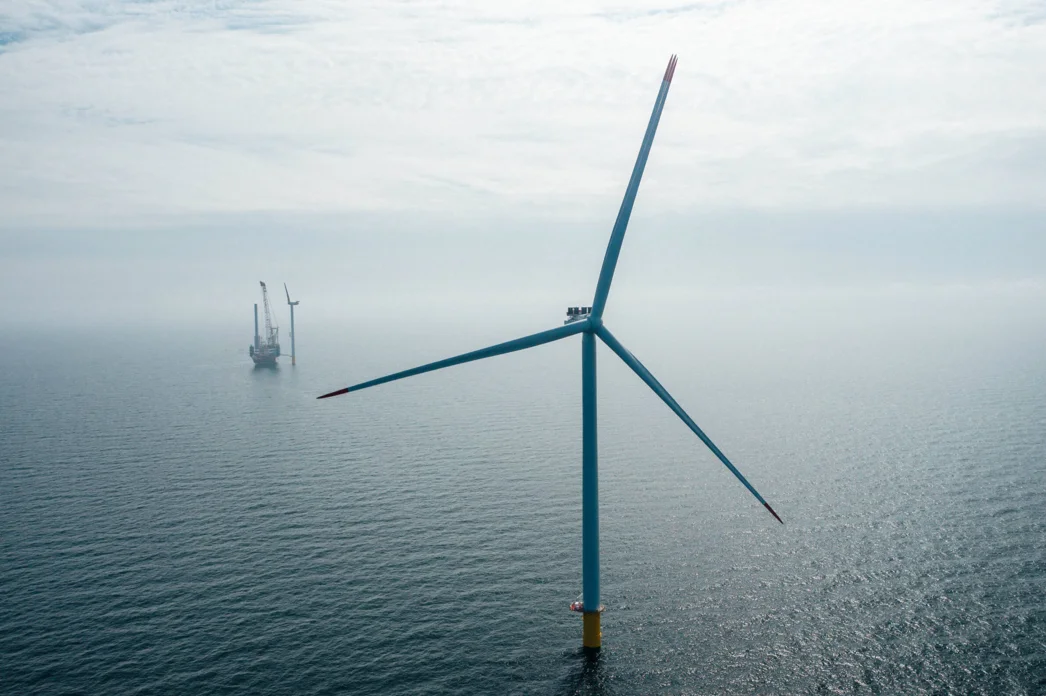
Cadeler's Long-Term Strategy in Asia Pacific — From Taiwan to Bridging Global Experience with Local Strength
Cadeler A/S is a global leader in offshore wind installation and operations & maintenance services, headquartered in Copenhagen, Denmark. The company specializes in the transportation, installation, and engineering solutions for offshore wind turbines and foundations, and is renowned for its high-specification Wind Installation Vessels (WIVs).
Committed to supporting the global energy transition, Cadeler has built over a decade of proven track record in the North Sea and international markets. By continuously expanding and upgrading its fleet to meet the demands of installing next-generation mega turbines, the company has successfully participated in numerous large-scale offshore wind projects, accumulating extensive technical expertise and project management experience.
As the global offshore wind industry rapidly evolves, Cadeler is actively expanding into the Asia-Pacific region, positioning Taiwan as a pivotal strategic hub. The newly established APAC headquarters in Taiwan not only manages local project execution but also serves as the regional base to expand into emerging markets such as Korea, Japan, the Philippines, Vietnam, and Australia.
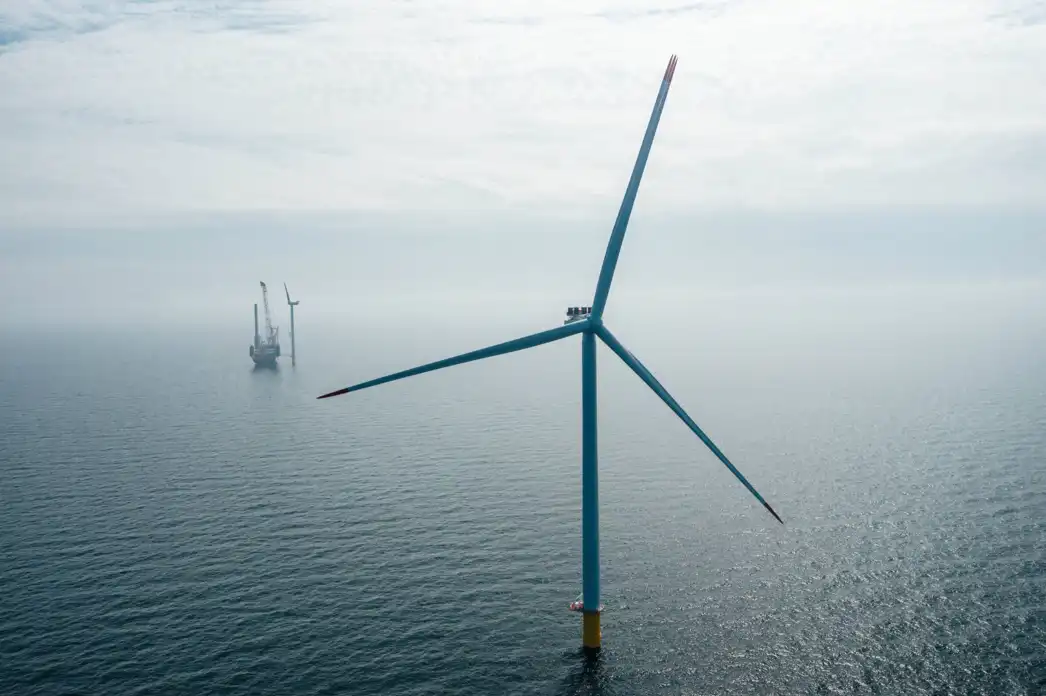
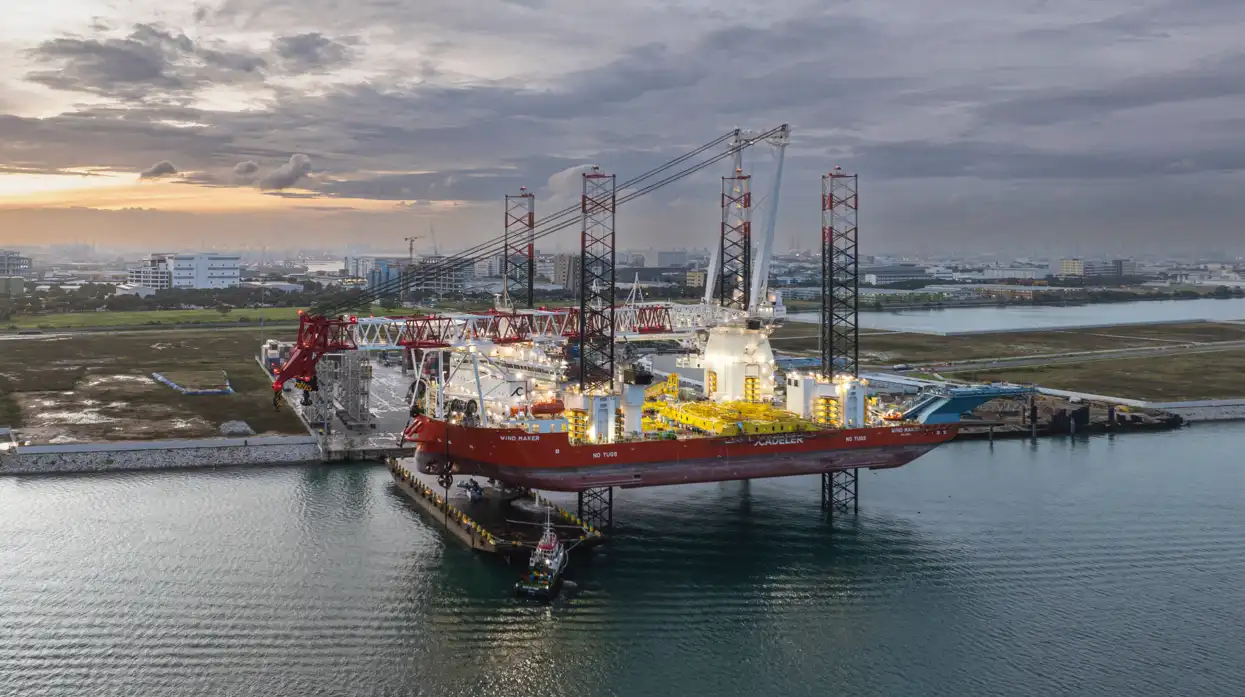 Headquartered in Copenhagen, Denmark, Cadeler is a leading provider of offshore wind turbine and foundation transportation, installation, and engineering solutions. The company is renowned for its state-of-the-art Wind Installation Vessels (WIVs), which set industry benchmarks in capability, efficiency, and safety for large-scale offshore wind construction projects (Photo courtesy of Cadeler).
Taiwan: The Strategic Gateway to Asia-Pacific
"For Cadeler, Taiwan is not only the first Asian market to reach commercial-scale offshore wind development but also the gateway to the broader Asia-Pacific region," said Tony Lu, General Manager of Cadeler APAC.
He emphasized that Taiwan plays a dual role as both "pioneer" and "hub." Taiwan's offshore wind journey not only represents the growth of its domestic market but also symbolizes how Cadeler's global capabilities align seamlessly with the long-term development of the Asia-Pacific region. "Taiwan is a critical market, and Cadeler's strengths are highly aligned with the region's trajectory," Lu added.
In 2023, Cadeler completed its merger with Eneti Inc., integrating the Seajacks fleet and further solidifying its leadership in the global market. Following the merger, Cadeler now operates one of the largest and most modern installation fleets in the industry, enabling flexible deployment across Europe, Asia-Pacific, and North America.
"If you look at Eneti and Seajacks' track record in Taiwan, it is very robust. In Japan, Wind Zaratan built the country's first offshore wind farm, including both foundations and turbines; Seajacks has also carried out projects in China. Considering the early stage of offshore wind development in Asia-Pacific, these credentials are remarkably strong," noted Matt Bowden, Senior Commercial Manager of Cadeler APAC. He stressed that Cadeler's strategy goes beyond scale expansion; it is about reconnecting accumulated experience to lay a firm foundation in Asia-Pacific. "In this market, which is still in its infancy, we already have substantial experience and lessons learned, positioning us to overcome future challenges," Bowden said.
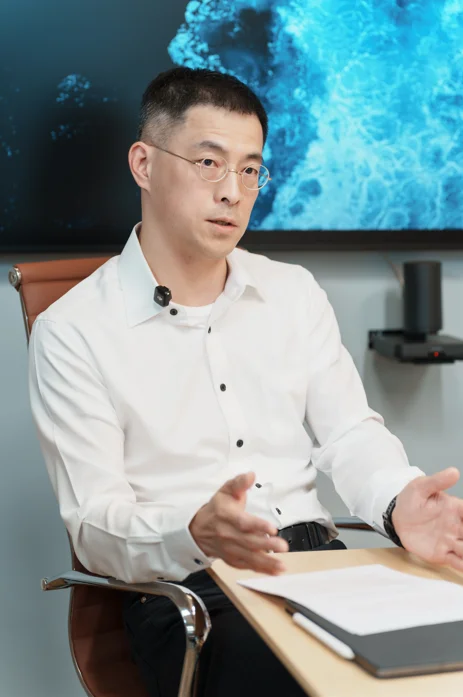 Tony Lu, General Manager of Cadeler APAC.
Technical Expertise and Local Capacity Building
As a company rooted in Europe, Cadeler brings decades of experience from the North Sea. "We bring with us decades of turbine and foundation installation expertise. These highly complex offshore operations have been repeatedly and successfully executed in Europe. Mature fleet operation technology, engineering excellence, project management planning, and market-specific knowledge are all essential to success — and they are precisely what Taiwan needs now," Lu explained. He believes this is not only about technology transfer but also a demonstration of Cadeler's confidence in the Taiwanese market.
Yet Taiwan's oceanic and geological conditions differ significantly from those of the North Sea. Bowden pointed out that seismic risks in the Taiwan Strait and Japanese waters pose challenges absent in Europe. "For example, seismic risks are significant in Taiwan and Japan, but not in the North Sea. We've had to establish operational models that effectively mitigate such risks. These are lessons learned through execution, which now place us in a strong position to apply this knowledge in future projects."
Bowden further stressed that sustainable development requires investment in local talent. While much of the industry's geological analysis and certification services are still outsourced to European experts, he envisions a gradual shift where organizations like DNV and other service providers will establish stronger local capacity in Taiwan and the broader Asia-Pacific region.
From his perspective, Asia-Pacific cannot be treated as a single market. "Europe, despite its national borders, essentially functions as a single market — vessels can be deployed from the UK to Germany to Denmark with relatively little friction. In Asia, however, every jurisdiction has its own rules. Deploying a vessel often requires re-flagging and incurs significant costs. This means that instead of a single ‘Asia strategy,' companies must develop tailored strategies for each individual country," Bowden explained.
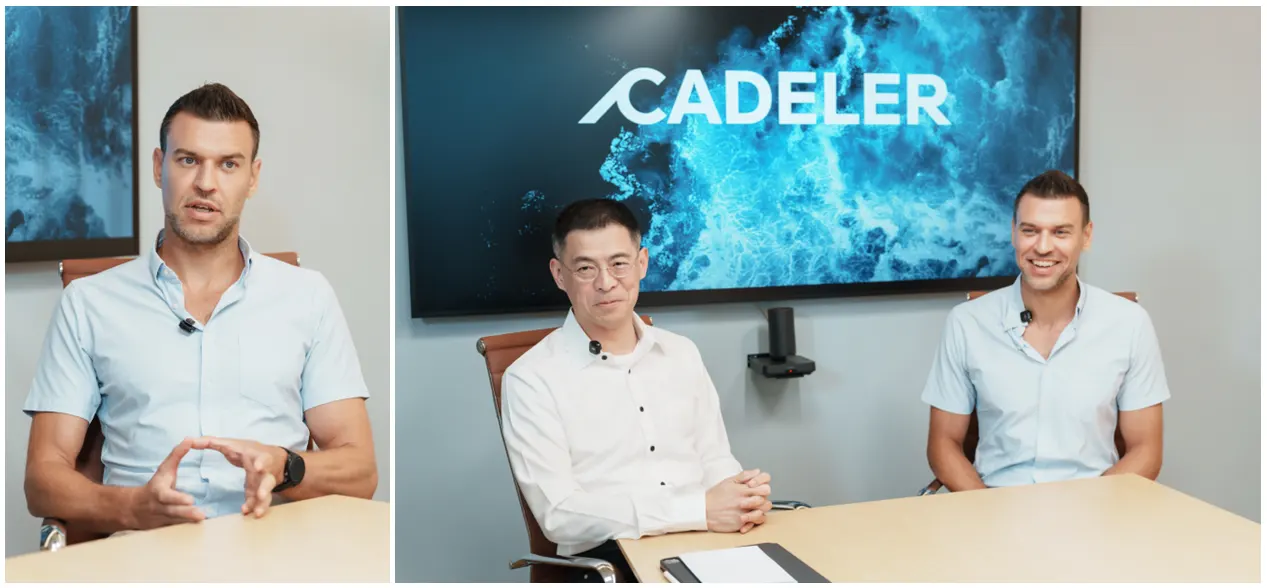 Matt Bowden, Senior Commercial Manager of Cadeler APAC.
Global Supply Chain × Local Collaboration
Another strategic focus for Cadeler is supply chain integration. Lu emphasized that the company is leveraging its European experience in building resilient and efficient supply chains to establish Taiwan as a regional hub. He added that global and regional project schedules are being aligned — with certain years seeing higher activity in Asia, and others in the North Sea — to provide suppliers with consistent opportunities across markets. "Our strategy is to connect our established global supply chain with local partners, applying proven methodologies and capabilities. This creates a mutually beneficial process, where global expertise complements local strengths," Lu elaborated.
Bowden highlighted concrete opportunities within this framework. While Europe often requires full T&I (transportation and installation) scopes — demanding a larger supply chain — Asia's turbine installation focus still creates significant procurement needs. "For example, sea fastenings for turbine components are critical. These are high-value, highly technical items, yet difficult to procure locally in Taiwan. Historically, we've sourced them from Singapore. But this represents an excellent opportunity for Taiwanese suppliers. Localizing such components would not only improve efficiency but also open pathways into international markets," Bowden said.
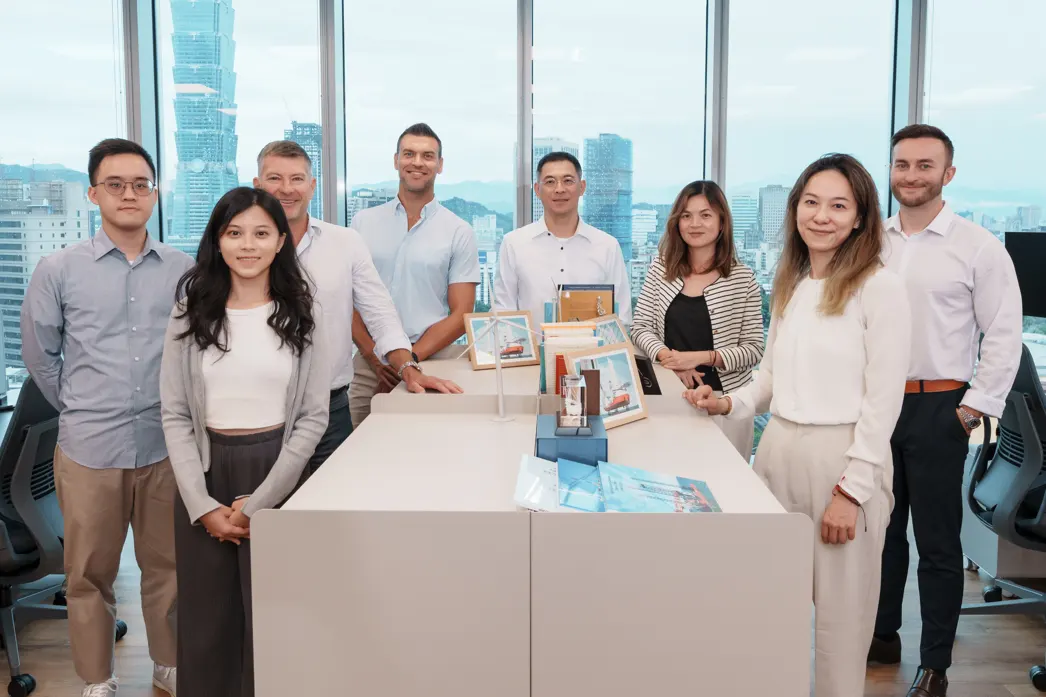 Lu stated that the Taiwan office will serve not only as an operational base for project execution but also as Cadeler's strategic hub in the Asia-Pacific region. By the end of this century, Taiwan is expected to play a pivotal role in the company's business portfolio and project development—driving talent cultivation, supply-chain integration, and regional market growth.
Commitment to Sustainability and ESG
When discussing sustainability, Lu clearly outlined Cadeler's three core commitments: carbon reduction, marine ecosystem protection, and coexistence with fisheries. "Our mission is clear — to support the global energy transition through innovative technology and excellent service. We have committed in our stakeholder reports to reduce emissions by 50% by 2030 and to achieve net-zero operations by 2035. These are at the heart of our global contribution," he stated.
Bowden detailed how these commitments translate into practice. New vessels in the Cadeler fleet are already equipped with industry-leading fuel efficiency technologies and are designed to be methanol-ready, anticipating future alternative fuels. Beyond large-scale innovations, he noted the company is embedding sustainability into daily operations: "For instance, we have eliminated disposable plastic bottles onboard and provided reusable alternatives. While seemingly small, these actions reinforce our belief that sustainability must permeate everything — from vessel design to daily routines."
He also observed that ESG requirements vary by country. Taiwan has stringent regulations concerning marine biodiversity, while Japan and Korea place greater emphasis on coastal community impacts. "In my view, Taiwan has achieved a very good balance — particularly with its approach to dolphin protection, which has been both meaningful and positive," Bowden commented.
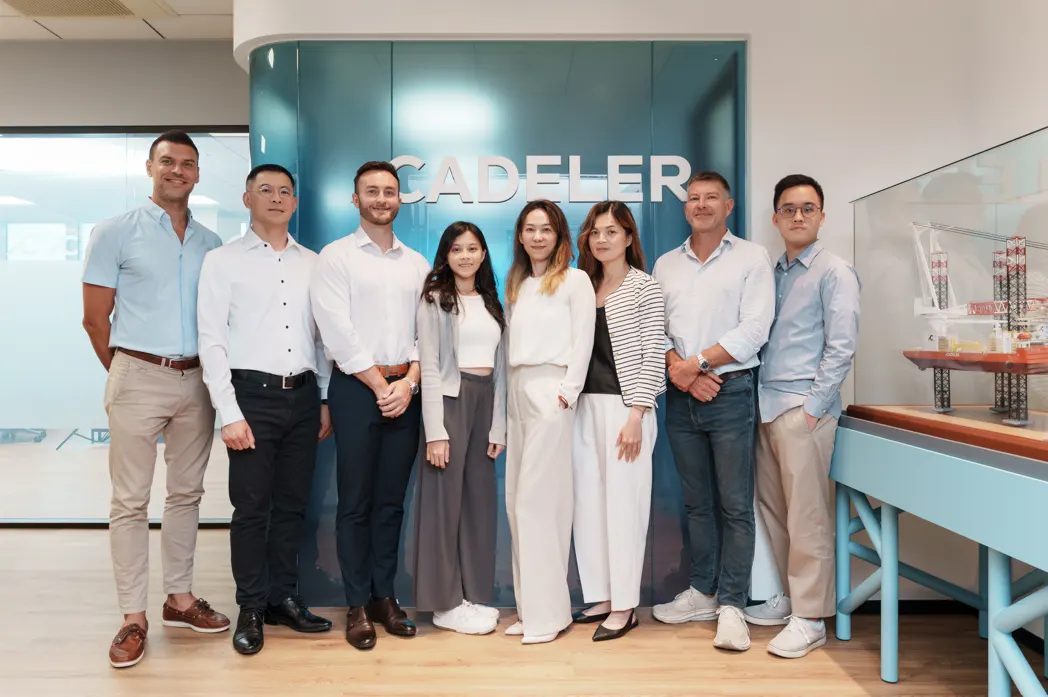 Lu remarked that the new office not only symbolizes a long-term commitment but also marks a brand-new beginning. It signifies that Cadeler is ready to embrace large-scale expansion, with Taiwan serving as the launch point for driving growth across the entire Asia-Pacific region.
Taiwan as the Strategic Core of Asia-Pacific
Looking ahead, Lu emphasized that Cadeler's Taiwan office will not only serve as a project delivery hub but also as the strategic core for Asia-Pacific, driving talent development, supply chain integration, and regional market growth. "Taiwan is our center in Asia-Pacific. By the end of this decade, the region will hold a significant share of our global business and projects," he said.
Bowden echoed this outlook, noting that Taiwan's six years of commercial-scale offshore wind development have established a solid foundation, while Korea and Japan are now entering the execution phase. "Korea is likely to be the next large-scale market. In this context, Taiwan is naturally our best base — enabling us to continue growing regionally while expanding into Korea, Japan, the Philippines, Vietnam, and eventually Australia," Bowden remarked.
Lu concluded that the new office in Taiwan symbolizes more than expansion; it is a statement of long-term commitment. "It represents our readiness for scale, and it will serve as the starting point for driving growth across the Asia-Pacific region," he said.
About Cadeler
Currently, Cadeler operates two vessels actively engaged in Taiwanese waters:
1. Wind Maker – supporting Ørsted's Greater Changhua 2b and 4 offshore wind farms with the installation of 14MW turbines.
2. Wind Zaratan – under a long-term service agreement with Vestas for O&M support.
Looking ahead, Cadeler's fleet has secured visibility on projects in Asia-Pacific through approximately 2030. Key contracts include:
● 2027: Wind Maker to participate in turbine installation at CIP's Fengmiao I offshore wind farm.
● 2028: Cadeler to support Synera Renewable Energy's Formosa 4 offshore wind farm, installing Siemens Gamesa 14MW turbines.
1Wind Zaratan is a self-propelled jack-up vessel built and operated by Seajacks, which later became part of Cadeler's global fleet following the integration with Eneti.
More related articles
